Information
The Lea Near Tottenham, 1888
View in CollectionPeter Henry Emerson
English
View all works on Photogravure.com
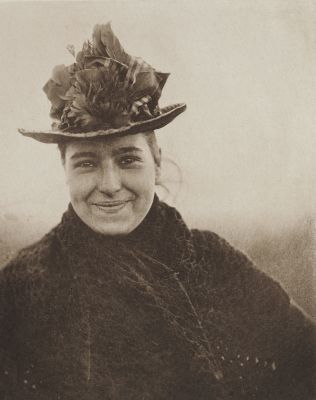
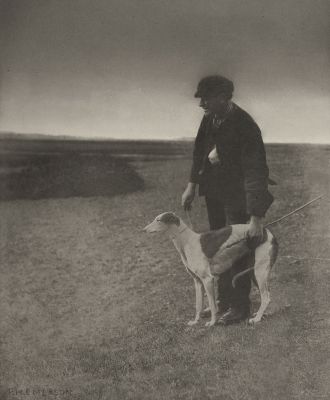
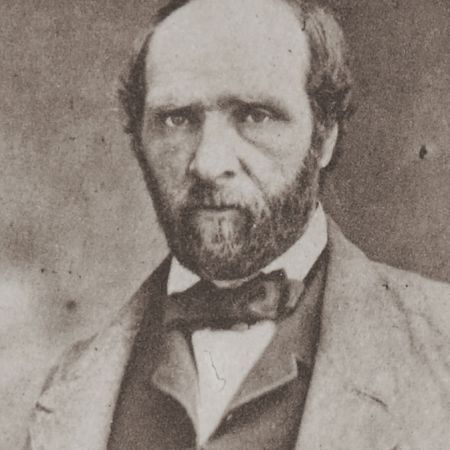
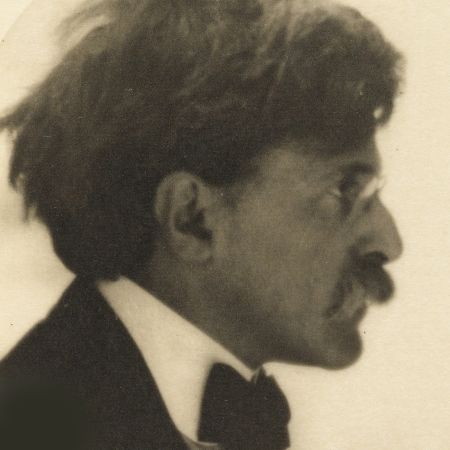
Working in late nineteenth-century England, P.H. Emerson pioneered the creative use of the photogravure process. He considered it the most refined photomechanical technique and the ideal means of publishing his work. Beginning in 1887, Emerson published seven books heavily illustrated with his sensitive photogravure images of life, labor and landscape in rural England. He learned the process from his friend Walter Colls, the country’s leading photogravure printer. Emerson so emulated the ways of artist-etchers that he reportedly destroyed the printing plates once the editions were finished, ensuring the rarity of his prints.
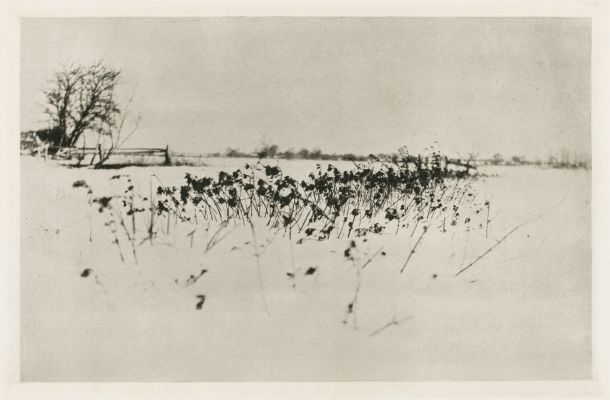
The Snow Garden, 1890
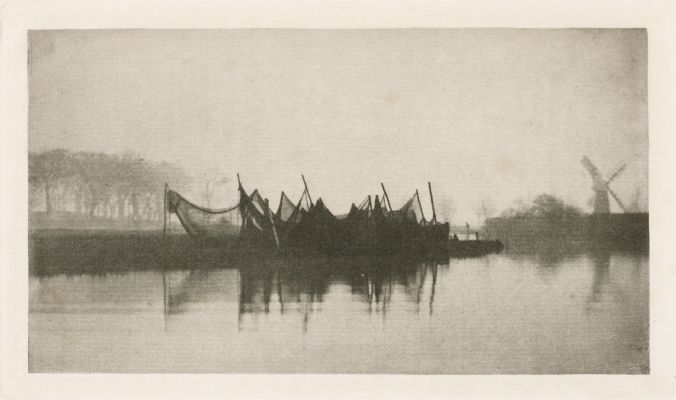
The Lonely Fisher, 1895